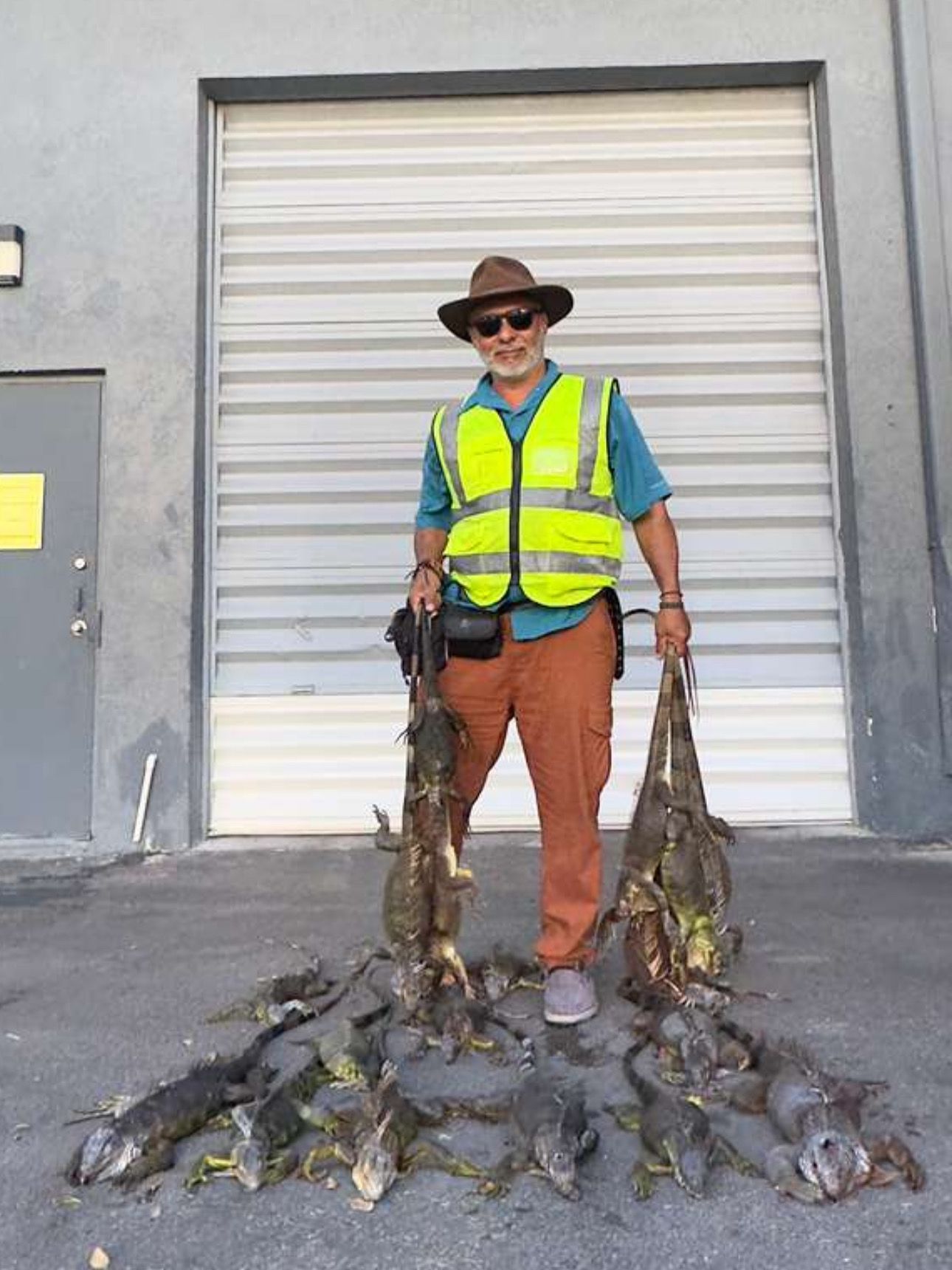
Protect Your Garden From Iguanas in North Miami Beach, FL
Landscape and garden protection in North Miami Beach, FL uses customized deterrents and sealing methods to reduce iguana feeding, digging, and nesting that damage lawns and decorative plants year-round.
Which Plants Do Iguanas Target Most?
Iguanas prefer soft-leaf plants, flowers, and vegetable gardens, often causing significant damage to hibiscus, bougainvillea, and leafy greens common in North Miami Beach, FL landscapes.
You notice chewed leaves, stripped branches, and missing flowers when iguanas feed. They are herbivores and seek out tender growth and colorful blooms. Properties with diverse landscaping or edible gardens see frequent activity.
Iguanas also dig around plant beds to access roots and create nesting sites. This disturbs soil, damages irrigation systems, and reduces curb appeal. Protecting high-value landscaping requires targeted solutions that address both feeding and digging behavior.
How Can You Reduce Iguana Damage to Landscaping?
Combining trapping, exclusion barriers, and habitat modification helps protect gardens and lawns by removing iguanas and limiting their access to vulnerable plants and soil.
You see better results when multiple strategies are used together. Physical barriers around garden beds deter digging and entry. Removing dense ground cover reduces hiding spots and nesting areas. Trapping services remove active iguanas before they cause additional damage.
Properties with high landscaping investment often pair protection services with weekly monitoring. Early detection prevents repeat damage and keeps yards looking healthy. Seasonal inspections help identify new risks before they escalate.
Do Iguanas Cause Problems Beyond Eating Plants?
Yes, iguanas dig burrows, displace soil, leave droppings, and create unsightly trails that damage lawns, irrigation lines, and decorative mulch in North Miami Beach, FL yards.
You deal with more than just chewed plants when iguanas are active. Burrows under walkways and foundations weaken structural support. Droppings carry bacteria and create sanitation concerns near pools and patios. Digging disrupts irrigation systems and exposes roots.
Properties near water see heavier activity because iguanas use canals and retention ponds for hydration and escape routes. Protecting your landscape means addressing all these behaviors, not just feeding damage. Professional services account for the full range of iguana impacts.
How North Miami Beach's Canal System Affects Iguana Populations
North Miami Beach's network of canals and waterways provides iguanas with constant water access, migration routes, and safe basking spots that support year-round activity and population growth.
You find higher iguana numbers in neighborhoods near Oleta River State Park and inland canal systems. These areas offer ideal habitat with abundant vegetation, water, and minimal natural predators. Iguanas move freely between properties using tree canopies and fence lines.
Landscaped yards near water are prime targets for feeding and nesting. Properties along canal banks require proactive monitoring and prevention services. Understanding local movement patterns helps professionals design effective protection plans tailored to your yard and neighborhood layout.
Iguana Jones Removal Service provides landscape and garden protection services designed for North Miami Beach, FL properties. The team customizes solutions based on vegetation types and local iguana behavior.
Request your landscape protection plan by calling Iguana Jones Removal Service at 786-488-3955.