When Should You Close Iguana Burrows in South Miami Beach, FL?
You should close iguana burrows in South Miami Beach, FL as soon as you notice digging or soil displacement to prevent structural damage, erosion, and future iguana populations on your property.
What Damage Do Iguana Burrows Cause?
Iguana burrows weaken soil, seawalls, and foundations by creating voids that lead to erosion, sinkholes, and structural instability over time.
You see the effects when sidewalks crack, pavers sink, or landscaping collapses into underground tunnels. Burrows often extend several feet and branch out beneath driveways and pool decks. Waterfront properties face additional risk because burrowing near seawalls accelerates erosion and canal bank collapse.
Iguanas prefer sandy soil and areas with nearby vegetation for cover. They dig to nest and lay eggs, which hatch and increase the population. Closing burrows stops this cycle and reduces the likelihood of recurring damage.
How Is Burrow Closing Performed?
Professionals identify active burrow openings, remove any eggs present, and fill tunnels with materials that prevent iguanas from re-entering or digging new access points.
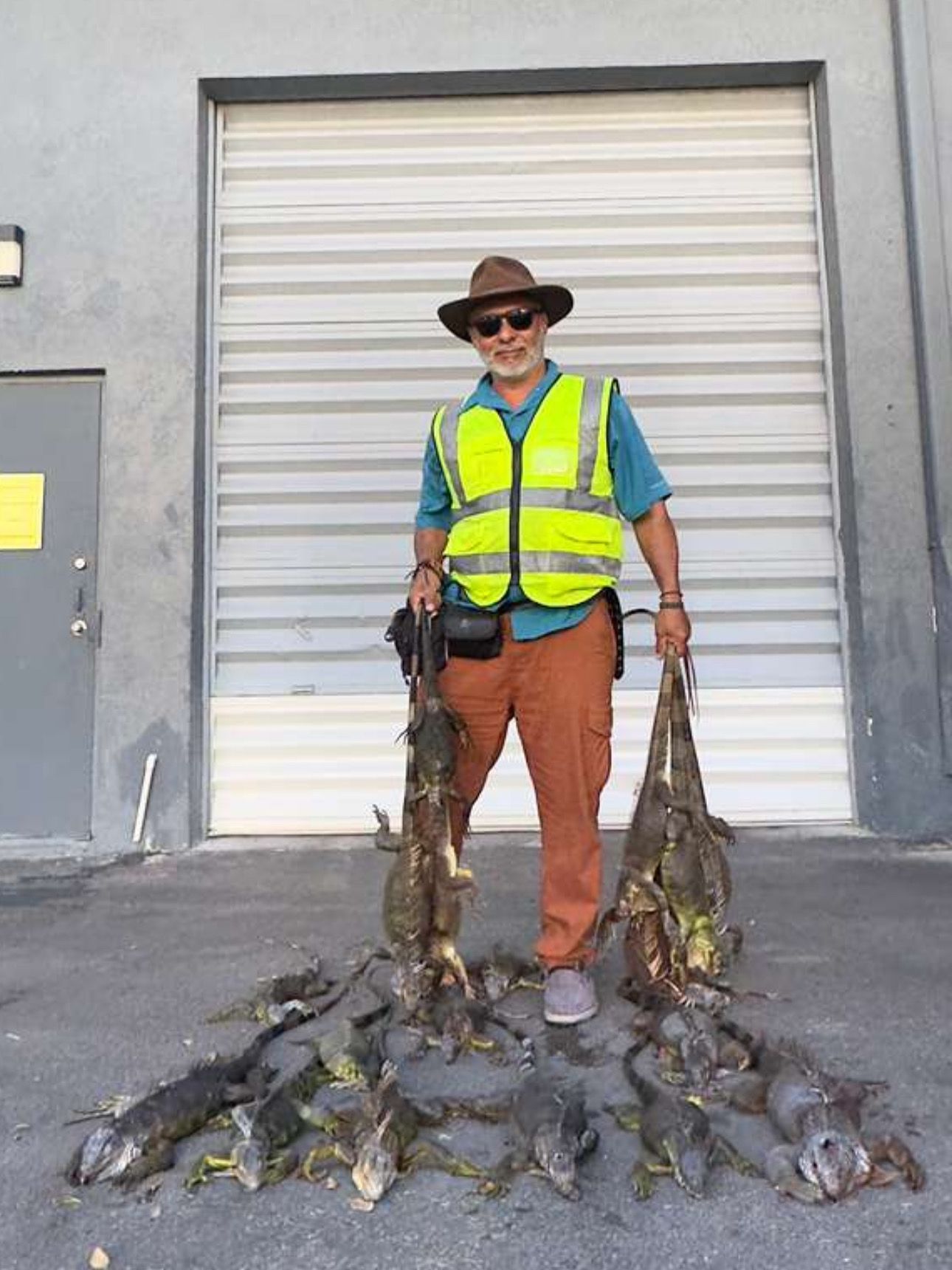
You benefit from techniques designed for South Florida soil conditions and iguana behavior. Burrow closure is often coordinated with trapping to ensure iguanas are removed before sealing. This prevents animals from being trapped underground.
Egg removal is an important step because each female can lay dozens of eggs in a single season. Removing eggs directly reduces future iguana populations. The process is safe and complies with Florida wildlife guidelines.
Can Burrow Closing Work Without Trapping?
Burrow closing is most effective when paired with trapping services to remove active iguanas and prevent them from reopening sealed tunnels or digging new ones nearby.
You reduce repeat issues when both services are used together. Iguanas are persistent and will dig new burrows if they remain on the property. Combining removal with burrow remediation addresses both the current population and the habitat that attracts them.
Properties with heavy iguana activity often require follow-up monitoring. Weekly maintenance plans help detect early signs of new digging. Long-term prevention includes sealing entry points and protecting vulnerable landscaping.
How South Miami Beach's Coastal Soil Affects Burrowing
South Miami Beach's sandy, well-drained soil is ideal for iguana burrowing, making properties near the beach and inland canals particularly vulnerable to tunnel networks.
You encounter more burrowing in areas where soil is loose and easy to excavate. Beachfront properties and those along Collins Avenue often see extensive tunnel systems beneath lawns and seawalls. The proximity to water encourages year-round nesting and population growth.
Coastal properties benefit from proactive burrow inspections and seasonal prevention programs. Iguanas in this area are accustomed to human activity and often nest in landscaped yards and garden beds. Professional services account for these patterns when planning remediation and monitoring schedules.
Iguana Jones Removal Service offers burrow closing and egg removal designed for South Miami Beach, FL properties. The team uses proven methods to protect soil stability and reduce future infestations.
Plan your burrow remediation service by calling Iguana Jones Removal Service at 786-488-3955.